

A medical device manufacturer receives thousands of custom electrode components. Adhesive properties match requirements exactly. Die cuts show zero defects across the entire production run. This level of precision doesn’t happen by accident.
The role of quality control in high-precision components determines whether parts perform as designed or fail in critical applications where safety and reliability matter most. Quality control systems must be integrated throughout every manufacturing stage, from incoming material verification through finished product testing.
For Minnesota manufacturers serving industries where precision directly affects product performance, comprehensive quality control separates reliable suppliers from those delivering inconsistent results.
Let’s explain how quality control creates the precision your applications demand.
Quick Answer: What Is the Role of Quality Control in High-Precision Components?
Quality control ensures high-precision components meet exact specifications at every stage of production. It includes material inspection, first-article validation, in-process monitoring, precision measurement, and final inspection to prevent defects and ensure consistent performance.
Incoming Material Inspection Prevents Problems Before Production Starts
High-precision components require high-quality materials. The tightest manufacturing tolerances in the world cannot compensate for material that arrives out of specification, contaminated, or inconsistent.
Critical incoming material inspection steps:
- Dimensional Verification: Confirming thickness, width, and length meet specs.
- Property Testing: Checking adhesion, tensile strength, and flexibility.
- Visual Inspection: Identifying defects, contamination, or damage.
- Doc Review: Verifying certificates of conformance and supplier data.
- Traceability: Linking material lots to finished components.
Pepin Manufacturing’s material inspection for MarFree and electrotherapy solutions ensures exact specs before production begins. This early QC prevents waste, rework, and delays. We verify every lot against your specific requirements rather than applying generic standards.
First-Article Inspection Validates Setup Accuracy
Before producing full production runs, first-article inspection confirms that setup procedures, tooling, and machine settings will create parts meeting all specifications.
First-article inspection components:
- Dimensional Checks: Measuring critical features with calibrated equipment.
- Visual Inspection: Identifying defects, burrs, or cosmetic flaws.
- Functional Testing: Verifying parts perform as intended.
- Spec Comparison: Matching parts against customer drawings.
- Set up Records: Documenting permanent approval of every configuration.
This inspection step catches setup errors, tooling problems, or material incompatibilities before producing hundreds or thousands of defective parts. For high-precision components where tolerances are measured in thousandths of an inch, first-article inspection provides essential verification that processes are operating correctly.
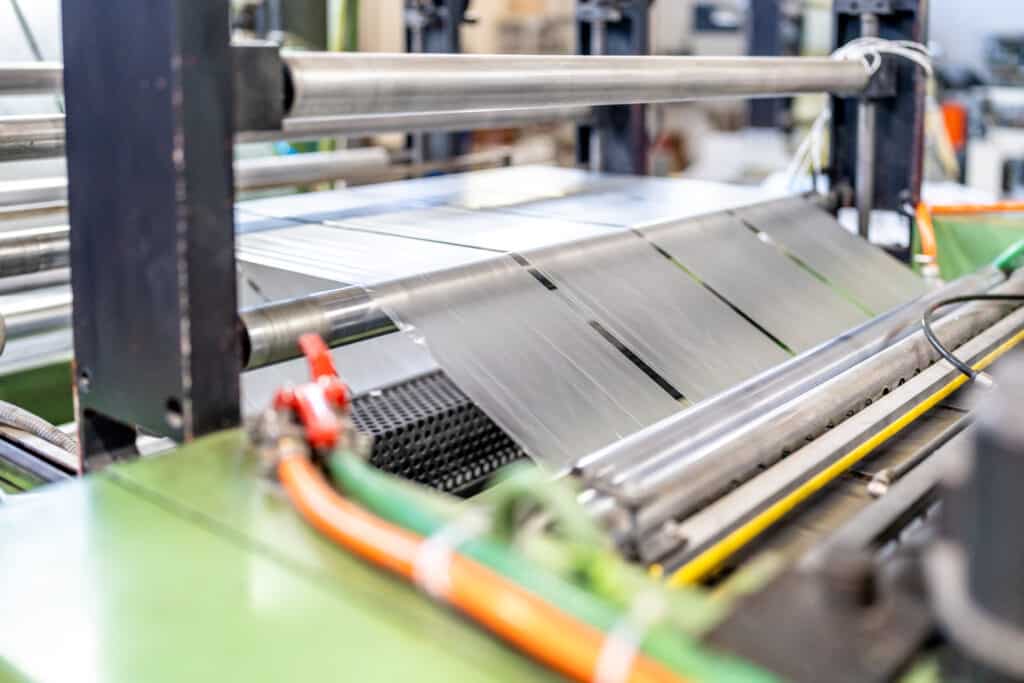
In rotary die-cutting, flatbed die-cutting, and precision cutting operations, even minor setup variations can create parts that fall outside specification. First-article inspection identifies these issues immediately rather than discovering them during final inspection or worse, after delivery to customers.
In-Process Quality Monitoring for Precision Components
Manufacturing processes naturally drift over time as tools wear, temperatures fluctuate, or materials vary within specification ranges. In-process monitoring detects these changes before they produce defective components.
In-process monitoring methods:
- SPC Charts: Tracking critical dimensions through statistical control.
- Measurement Intervals: Regular checks based on volume and risk.
- Visual Inspection: Watching for defects or process anomalies.
- Machine Monitoring: Alerting operators to parameter changes.
- Verification Checkpoints: Operator sign-offs at critical stages.
For long production runs, in-process monitoring prevents quality failures caused by undetected tool wear or process drift. We catch variation before it becomes a defect, protecting both your product quality and your delivery schedule.
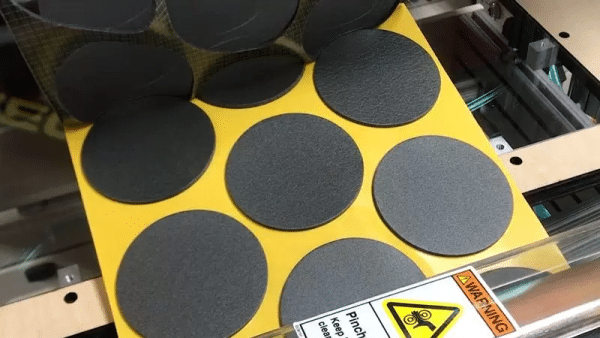
Precision Measurement Equipment Supports Quality Control
Quality control is only as reliable as the measurement systems supporting it. High-precision components require equally precise measurement capabilities with proper calibration and maintenance.
Essential measurement system elements:
- Calibrated Tools: Micrometers, calipers, and gauges for precise measurement.
- Optical Comparators: Specialized equipment for complex geometries.
- CMM Verification: Confirming critical tolerances with coordinate measuring machines.
- Calibration Schedules: Regular maintenance to ensure measurement accuracy.
- System Analysis: Verifying equipment capability through rigorous testing.
When specifications require tolerances measured in thousandths of inches, measurement equipment must provide accuracy at least ten times tighter than the tolerance being verified. Our precision cutting operations use measurement systems capable of detecting variation far smaller than customer specifications allow.
Final Inspection Confirms High-Precision Component Quality
Even with incoming inspection, first-article approval, and in-process monitoring, final inspection provides the last verification before components ship to customers.
Comprehensive final inspection includes:
- Dimensional Verification: Confirming all critical features meet specs.
- Visual Inspection: Identifying cosmetic and functional defects.
- Packaging Checks: Ensuring proper labeling and protection.
- Documentation Review: Confirming all quality records are complete.
- Sampling Plans: Using volume-appropriate plans to manage risk.
For medical applications, aerospace components, or other critical uses, final inspection sampling may approach 100% to ensure absolute reliability. Less critical applications may use statistical sampling that balances inspection cost against quality risk.
Our rigorous quality control processes ensure each component meets or exceeds industry standards from material selection through final product inspection, providing confidence that parts will perform reliably in your applications.
Quality Documentation Ensures Traceability for Precision Components
Quality control without documentation provides no proof that processes were followed or specifications were met. Complete documentation supports traceability, continuous improvement, and customer confidence.
Quality documentation systems include:
- Material Certs: Linking components to specific material lots.
- Inspection Records: Showing measurement results at every quality checkpoint.
- Non-conformance Reports: Documenting issues and corrective actions.
- SPC Data: Trending performance over time through statistical data.
- Compliance Documentation: Meeting customer-specific or regulatory requirements.
For custom electrode manufacturing serving medical applications, documentation provides the traceability required by regulatory agencies and quality management systems. This same rigor applies across all our contract converting and fabrication operations.
Quality Control Supporting Your Success
For over three decades, Pepin Manufacturing has delivered precision-engineered solutions through quality control systems integrated throughout our rotary die-cutting, flatbed die-cutting, precision cutting, and contract packaging operations.
Our expertise in high-precision applications like MarFree urethane solutions and custom electrodes demonstrates our capability to meet the most demanding quality requirements.
Talk with our engineering team about your specifications, tolerances, and material requirements. We will review your project and recommend a quality-controlled production plan that keeps your parts consistent from first run to full scale.