

Moving from prototype to full-scale production represents a critical transition for your business. This phase determines whether your product succeeds in the market or faces costly delays and quality issues that damage your reputation and bottom line.
Understanding what happens during this transition helps you plan effectively, avoid common pitfalls, and work more efficiently with your manufacturing partner.
Initial Design Review and Feasibility Assessment
Your manufacturing partner begins by thoroughly evaluating your prototype design. This assessment identifies potential manufacturing challenges before they become expensive problems during production runs.
Engineers examine your specifications, materials, tolerances, and assembly requirements. They look for design elements that work fine in a prototype but create issues at scale.
This review process:
- Identifies cost reduction opportunities
- Highlights potential production bottlenecks
- Ensures designs work with available manufacturing workflow
- Recommends material alternatives that improve performance
Expect honest feedback during this stage. A reliable manufacturing supplier tells you when something won’t scale efficiently, even if it means redesigning elements of your product.
Material Selection and Sourcing Strategy
The materials that worked for your prototype may not be optimal for production. Your manufacturer helps you evaluate options based on performance requirements, availability, cost, and consistency.
Material selection impacts everything from product durability to manufacturing efficiency. Specialized materials like custom urethane formulations require particular attention to ensure they meet your application’s specific demands while remaining cost-effective at production volumes.
Your production partner should explain the tradeoffs between different material options. Higher-cost materials might reduce manufacturing time or improve product lifespan, ultimately lowering your total cost.
Sourcing strategy matters as much as selection. Your partner establishes relationships with reliable suppliers, ensures material consistency across batches, and plans for contingencies when supply chain disruptions occur.
Tooling Development and Investment
Production requires specialized tooling designed for efficiency and consistency. Dies, fixtures, and other tools must be engineered to maintain tight tolerances across thousands of production cycles.
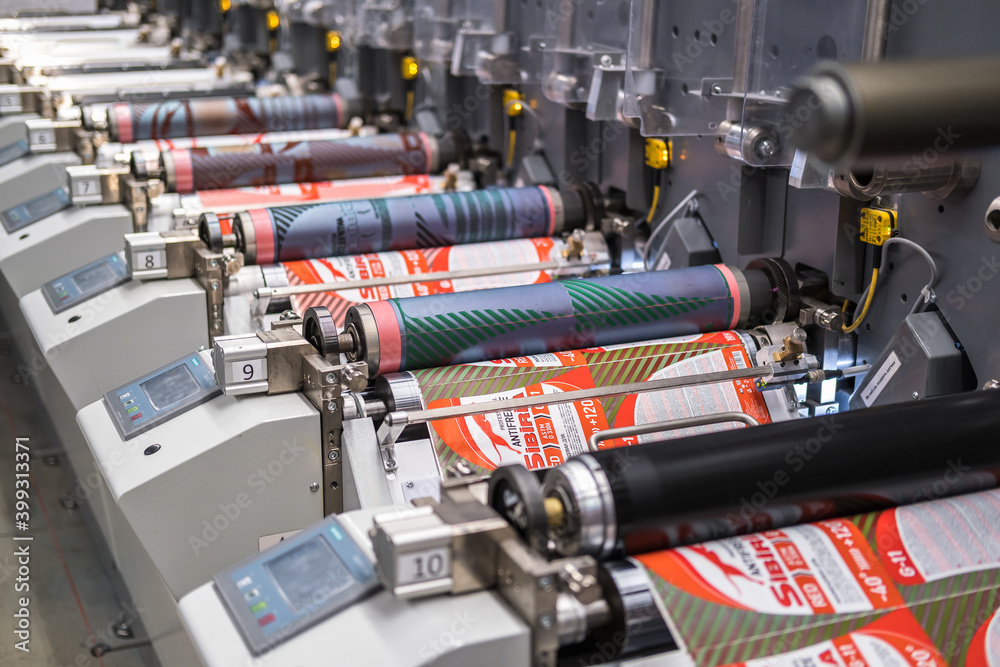
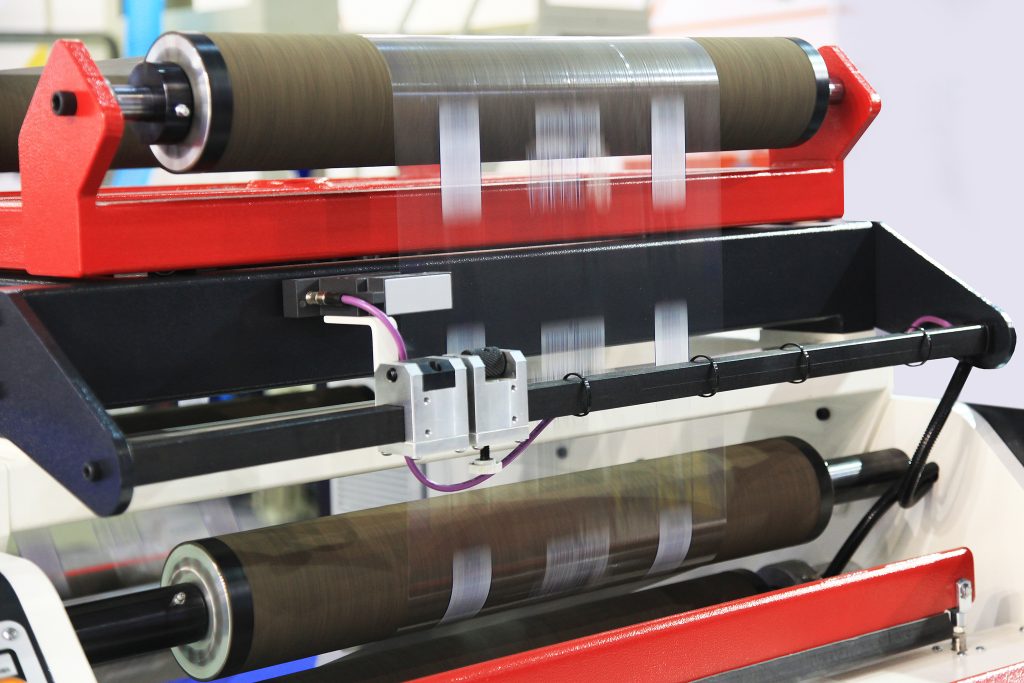
For operations like rotary die-cutting and flatbed die-cutting, precision tooling makes the difference between consistent quality and costly variations. Your supplier designs and builds tools that deliver repeatable results while maximizing material utilization to minimize waste.
Well-designed tooling reduces per-unit production costs, maintains consistent quality, minimizes waste, speeds up production cycles, and reduces the need for secondary operations.
Discuss tooling ownership, maintenance responsibilities, and what happens if you need to modify designs or switch manufacturing partners in the future.
Process Development and Optimization
Your manufacturing provider develops detailed workflow specifications that define exactly how your product gets made. These specifications cover everything from machine settings to quality checkpoints to packaging requirements.
Process development involves extensive testing to identify the optimal combination of speed, quality, and cost. Engineers run trial productions, measure results, adjust parameters, and repeat until they achieve the performance targets you need.
Documentation created during this phase becomes your quality assurance foundation. Detailed process specifications ensure consistency regardless of which shift runs your production or when you need to scale up volumes.
Quality System Implementation
Production quality systems extend far beyond final inspection. They build quality into every step of the manufacturing stages through documented procedures, in-process checks, and statistical monitoring.
Your manufacturer establishes quality checkpoints throughout production. These checkpoints catch variations before they compound, preventing entire production runs from falling outside specifications.
Quality systems protect both parties. You receive consistent products that meet specifications. Your manufacturing partner reduces waste, rework, and warranty claims.
Pilot Production Runs
Before committing to full-scale production, pilot runs validate that all systems work as intended. These runs use production tooling and processes, but at limited volumes that allow careful monitoring and adjustment.
Pilot runs reveal issues that don’t show up in prototypes or small test batches. They demonstrate whether your product can be manufactured consistently at the quality levels you require. They also provide samples you can test, show to customers, or use for certification purposes.
Use pilot runs as a final opportunity to make adjustments before committing to larger production volumes. Small changes at this stage prevent costly problems later.
Scaling to Full Production Volumes
Transitioning from pilot runs to full production requires careful planning. Your trusted provider schedules production runs, coordinates material deliveries, and ensures adequate capacity to meet your volume requirements.
Communication becomes especially important during this step. You need visibility into production schedules, inventory levels, and any issues that might impact delivery timelines.
Flexibility matters during the scaling phase. Initial production runs might reveal opportunities for further optimization. Your manufacturing partner should accommodate these changes while maintaining quality and delivery commitments.
Continuous Improvement and Support
The transition to production doesn’t end when the first full-scale run ships. Ongoing collaboration drives continuous improvement that reduces costs, enhances quality, and keeps your product competitive.
Your partner monitors production metrics, identifies trends, and suggests improvements. These incremental improvements compound over time, delivering significant value.
Start Your Production Journey
At Pepin Manufacturing, we’ve guided countless products from prototype to full-scale production over our three decades in business. Our expertise in rotary die-cutting, flatbed die-cutting, precision cutting, and contract packaging gives us the capabilities to handle complex production requirements efficiently.
Our team works closely with you throughout every phase, ensuring your transition to production succeeds.
Talk to our experienced team about your prototype and production requirements. Let’s create a clear roadmap that takes your product from concept to market-ready manufacturing with confidence.